Guides and Advice for Sustainable Living + Waste Reduction Strategies
Introduction
Welcome to our comprehensive guide on sustainable living and waste reduction strategies. In today's world, it is more important than ever to adopt eco-friendly practices to protect our planet for future generations. By making small changes in our daily lives, we can all contribute to a more sustainable and environmentally friendly world.
Benefits of Sustainable Living
Living sustainably has numerous benefits for both the environment and our well-being. Some of the key advantages include:
- Reducing carbon footprint
- Conserving natural resources
- Improving air and water quality
- Promoting healthier lifestyles
- Supporting local communities
Waste Reduction Strategies
Waste reduction is a critical aspect of sustainable living. Here are some effective strategies to minimize waste in your daily life:
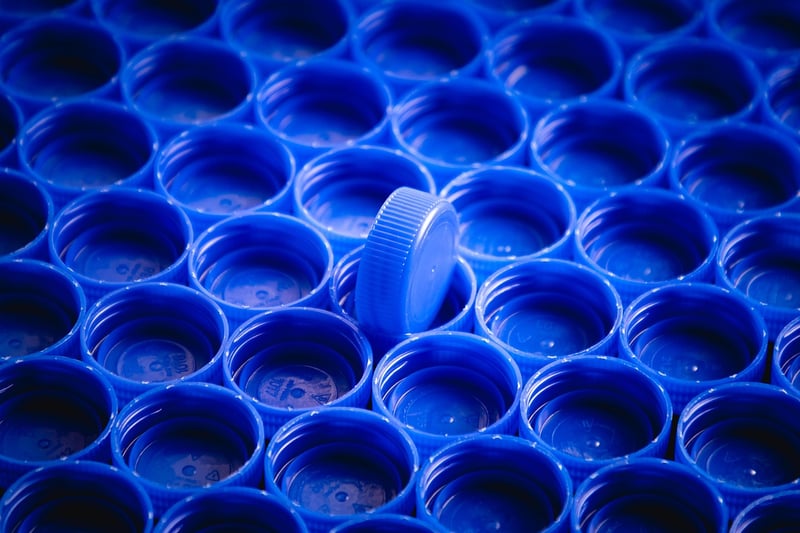
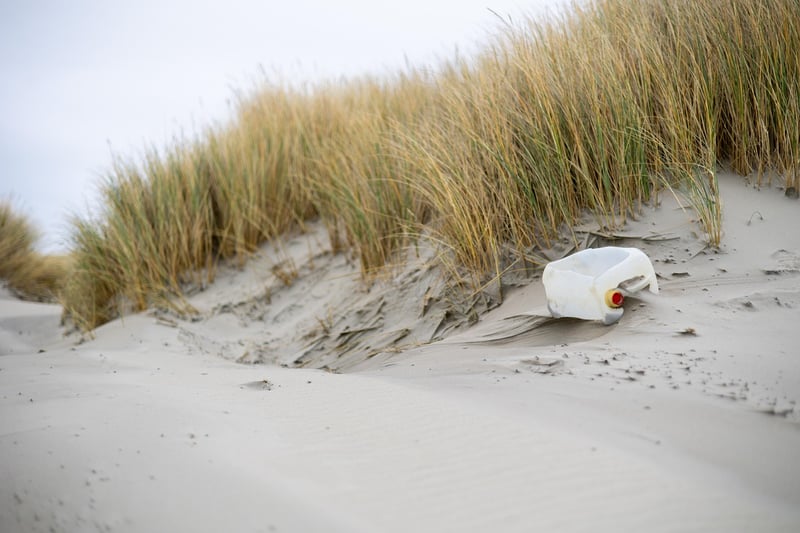
- Avoid single-use plastics: Opt for reusable alternatives such as water bottles, shopping bags, and straws.
- Compost organic waste: Turn food scraps and yard trimmings into nutrient-rich compost for your garden.
- Recycle properly: Sort and recycle paper, plastic, glass, and metal to reduce landfill waste.
- Donate or repurpose items: Instead of throwing away old clothes or household items, donate them to charities or find creative ways to repurpose them.
- Buy in bulk: Purchase items with minimal packaging to reduce waste from individual product packaging.
Additional Tips for Sustainable Living
In addition to waste reduction strategies, here are some more tips for sustainable living:
- Conserve energy: Turn off lights and appliances when not in use, use energy-efficient bulbs, and consider solar energy options.
- Support sustainable brands: Choose products from companies that prioritize sustainability and ethical practices.
- Reduce water usage: Fix leaks, take shorter showers, and install water-saving devices to conserve water.
- Grow your own food: Start a small garden or grow herbs indoors to reduce reliance on store-bought produce.
Conclusion
By following these guides and waste reduction strategies, you can make a positive impact on the environment and lead a more sustainable lifestyle. Remember, every small change counts towards a greener and healthier planet for all. Let's work together to create a better future for generations to come!